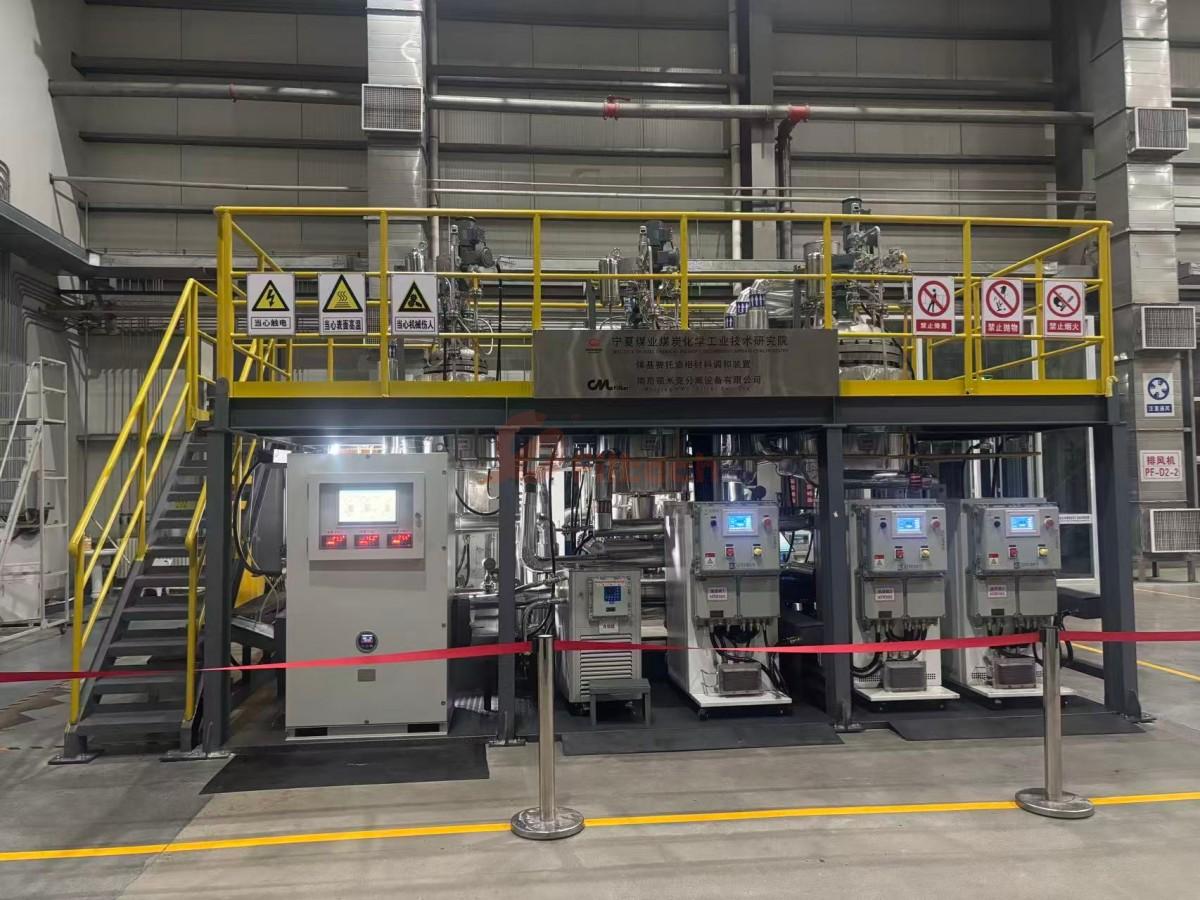
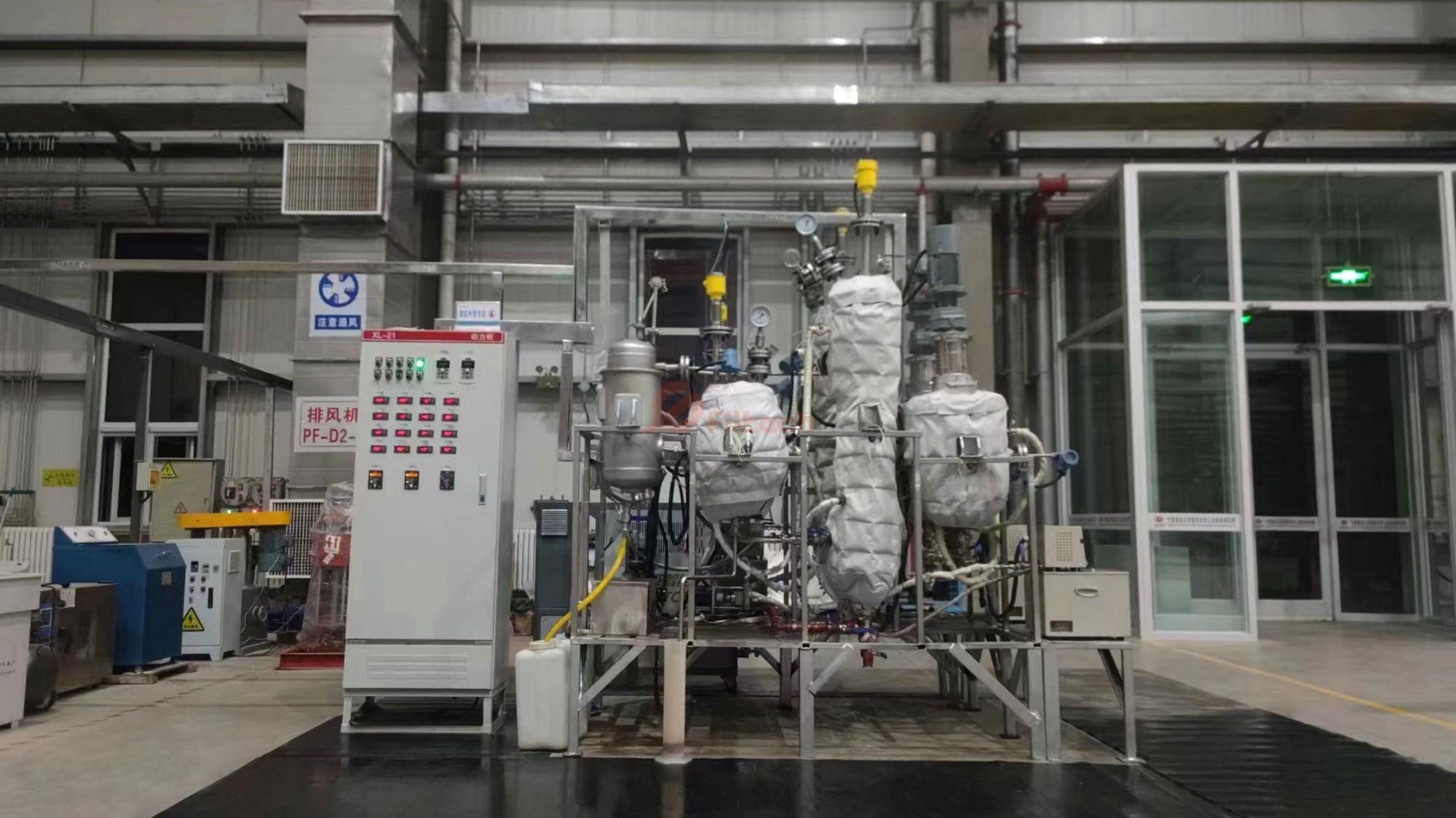
For gas-liquid, liquid-liquid two-phase or gas-liquid-solid three-phase reaction systems, after the factors affecting the intrinsic reaction rate such as catalyst and reaction conditions (pressure/temperature/material ratio) are determined, the reaction efficiency is directly subject to the mass transfer rate of the phase interface; and the mass transfer rate is closely related to the bubbles, and the mass transfer rate is closely related to the movement characteristics of the gas and liquid and the phase interface area; the phase interface area is closely related to the bubble size, shape, number, and residence time of the bubble in the liquid layer.
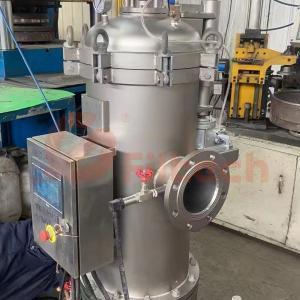
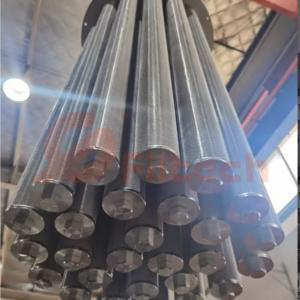
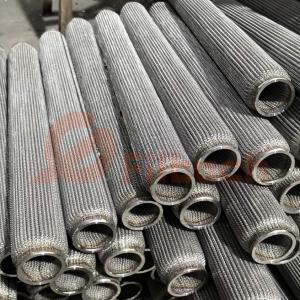
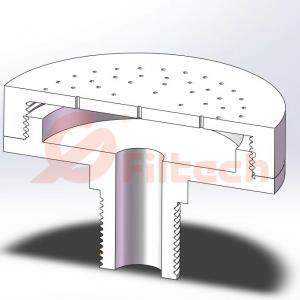
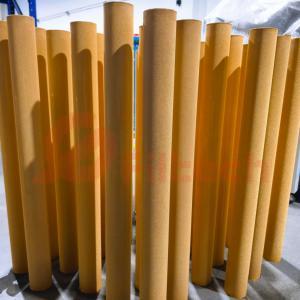
The micro-interface enhanced reactor uses a sintered metal membrane with micro-nano pore size as a gas distributor, which can control the size of gas-liquid and gas-liquid-solid interfaces to micrometers, greatly improving the phase interface area and mass-energy transfer efficiency in terms of order of magnitude, so that the efficiency of the chemical production process is doubled, and the energy consumption and material consumption are greatly reduced.
In the field of Fischer-Tropsch wax oxidation and oil hydrogenation, the micro-interface enhanced reactor can greatly improve the processing capacity of the existing fixed bed reactor, thereby reducing investment costs and operating energy consumption. Especially for reaction systems with high viscosity and difficult gas diffusion, the mass transfer enhancement effect of the high-efficiency reactor is more obvious.
Application
In chemical production, various hydrogenation, oxidation, carbonylation, alkylation, chlorination and other reaction processes can use micro-interface enhanced reactors to reduce the pressure of the production process by multiples, increase the output by multiples or even multiples under the same reactor scale, significantly reduce side reactions, and reduce the investment per ton of product, energy consumption, and material consumption by 20-50%.
In the field of sewage oxidation, the use of sintered metal membranes as gas distributors can reduce the reaction pressure and reaction time by more than half, increase the removal rate of harmful waste and impurities by multiples, and achieve significant results in ecological restoration, clean production, and green emission reduction.
Reference
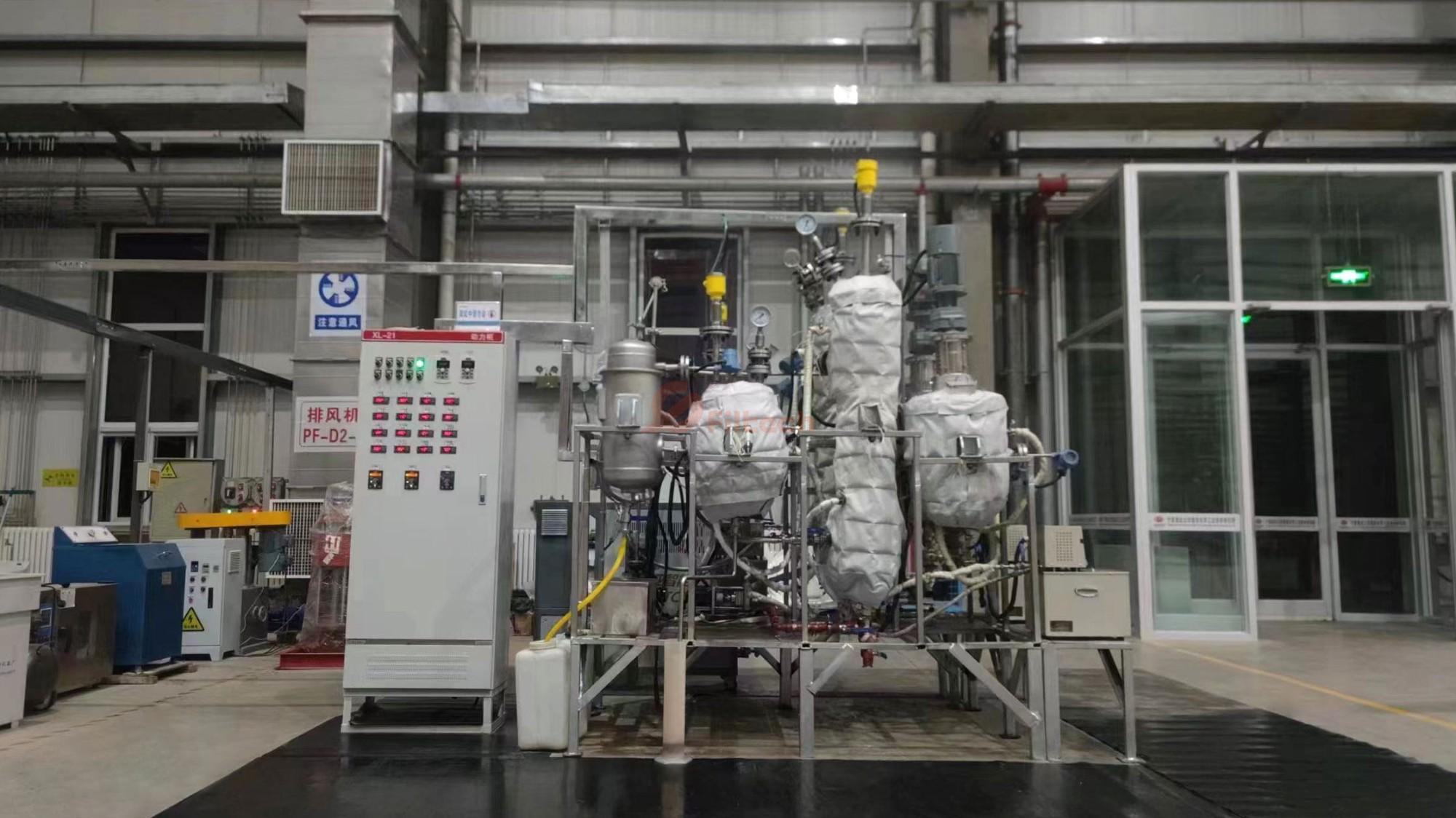
In 2020, our company jointly built a 10,000-ton micro-interface enhanced Fischer-Tropsch wax oxidation process test platform with the State Energy. The test calibration and identification results show that compared with the current mainstream process, all technical indicators of the micro-interface enhanced Fischer-Tropsch wax oxidation technology are at the leading level, with low equipment investment, convenient operation, high oxidation efficiency, and light product color and good quality.
Sample | Acid Value mg KOH/g | Saponification Value mg KOH/g | Drop Melting Point ℃ | Penetration 0.1mm(25℃) | Chroma SH/T0168 |
80# FT Wax | 0.3 | 0.6 | 113.4 | 0.8 | 1 |
80# FT Wax | 28.2 | 61.2 | 107.1 | 1.6 | 3 |