Micro-Interface Reactor
1. Product Overview
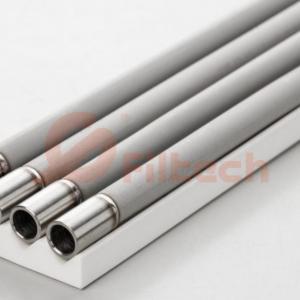
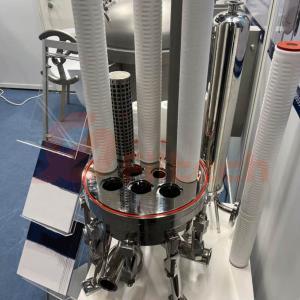
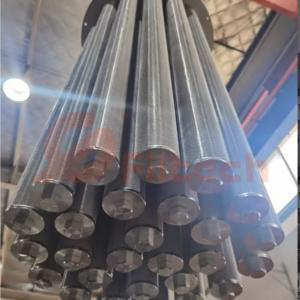
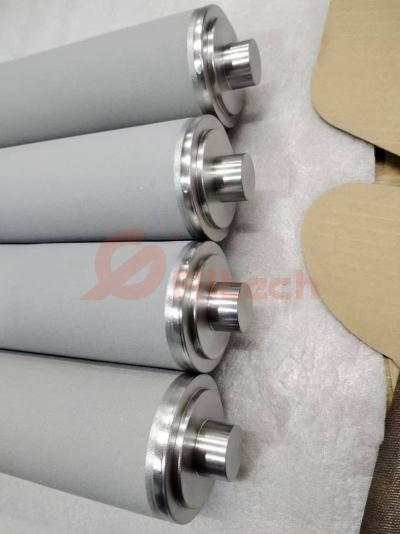
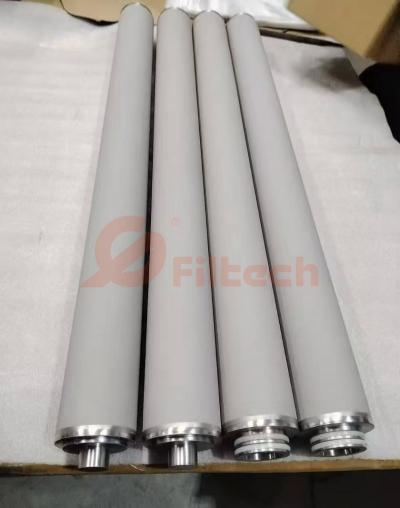
The Micro-Interface Reactor (Micro-Interface Enhanced Reactor) is an innovative, proprietary intensified reaction equipment designed to resolve core mass transfer bottlenecks of traditional reactors for gas-liquid, liquid-liquid and gas-liquid-solid multi-phase chemical reactions. Equipped with sintered metal membrane gas distributors featuring micro-nano pores, the reactor splits bulk gas into uniform micrometer-sized microbubbles, dramatically expanding phase interfacial area and boosting interphase mass & heat transfer efficiency by orders of magnitude without modifying catalyst formula, raw material ratio or inherent reaction parameters.
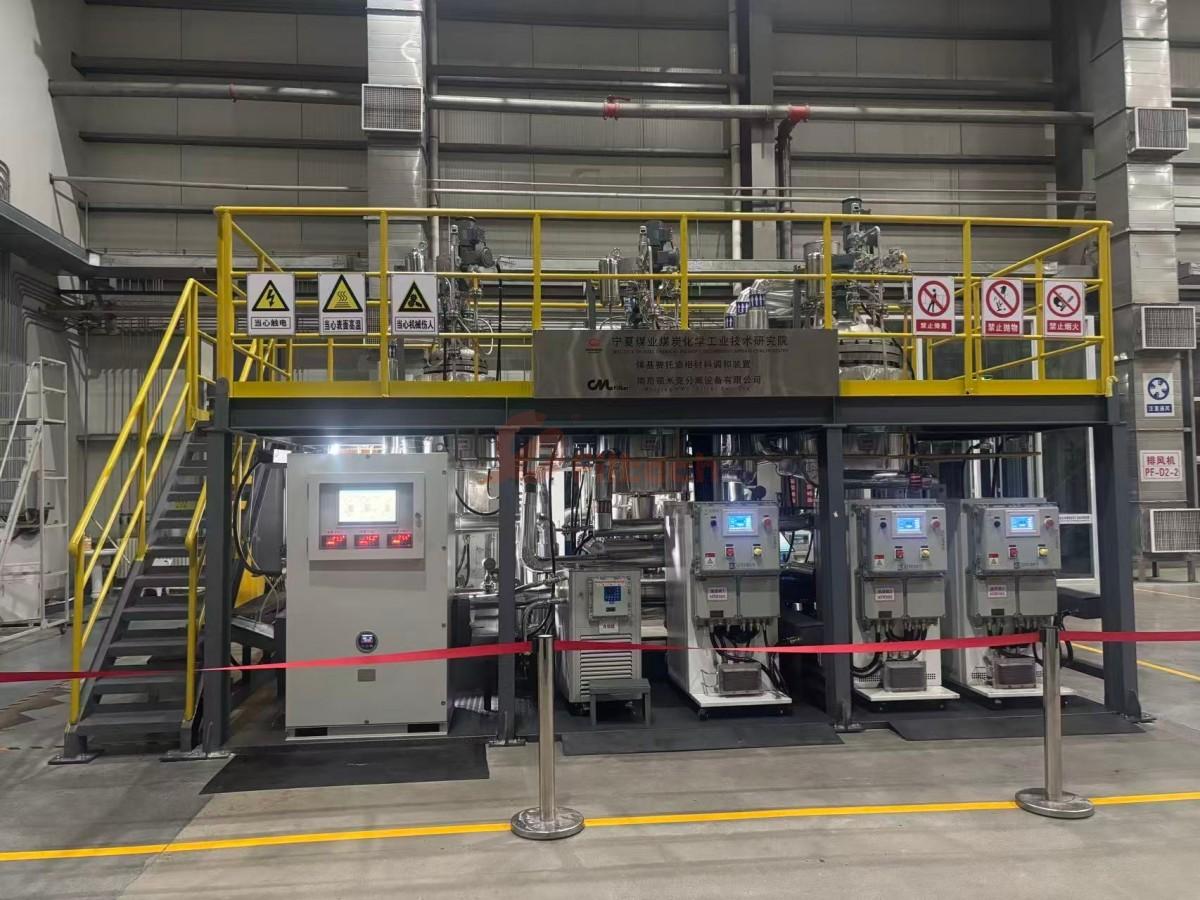
Combining independent modular reactor design and catalyst-free continuous oxidation process technology, this equipment has achieved landmark industrial verification via a 10,000-ton Fischer-Tropsch (FT) wax oxidation pilot platform co-developed with State Energy in 2020, and a 100-ton pilot line for non-catalytic continuous oxidation of FT wax was successfully commissioned in May 2023 by Ningmei Fine Chemical, fully proving its reliable continuous production capacity for oxidized wax products. Compared with conventional stirred tank and bubbling column reactors, it is recognized as a next-generation "5G-level" reaction intensification equipment for modern green chemical manufacturing.
2. Core Technical Advantages
1) Superior Mass Transfer & Production Efficiency
The sintered metal membrane distributor controls bubble dimension at micrometer scale, lifting specific phase interface area from 20~300 m³/m³ of traditional bubbling devices to thousands of m³/m³, accelerating reaction rate by 3~5 times and multiplying unit output under identical reactor volume. For FT wax oxidation, it shortens reaction period significantly and improves raw material conversion remarkably.
2) Remarkable Reduction on Investment, Energy & Material Consumption
Industrial data verifies the reactor cuts per-ton equipment investment, energy and raw material consumption by 20%~50% across most chemical processes; for high-viscosity, gas-diffusion-restricted systems like FT wax oxidation and petroleum oil hydrogenation, the cost-saving effect is more prominent. It also lowers required reaction pressure by multiple folds vs conventional technologies, reducing equipment pressure-grade investment cost.
3) Flexible Compatibility & Customizable Production
Supports diversified feedstock adaptation: applicable for all grades of refined Fischer-Tropsch wax and various petrochemical feedstocks, enabling customized production of oxidized wax with adjustable oxidation depth to meet differentiated client specifications.
Continuous automated operation: streamlined workflow, easy routine operation, stable product quality with controllable technical indicators (acid value, saponification value, melting point, chroma etc.); tail gas emission fully complies with global safety and environmental standards.
4) Eco-Friendly & High-Quality End Products
For FT wax oxidation, the reactor enables catalyst-free air oxidation using ordinary air as oxidant, eliminating catalyst separation trouble and residual catalyst contamination of finished products; the resultant oxidized FT wax is sulfur-free, nitrogen-free and aromatic hydrocarbon-free, superior in color and purity than domestic petroleum-based oxidized wax and matching Sasol (South Africa) premium product specifications. Side reactions are effectively suppressed to upgrade product quality and reduce waste discharge.
5) Excellent Safety Performance
Low operating pressure, uniform mild reaction environment and no hazardous catalyst dosing reduce explosion and chemical leakage risks during oxidation and hydrogenation processes, solving traditional oxygen oxidation’s inherent safety hazards.
3. Main Industrial Application Fields
1) Coal Chemical & Fischer-Tropsch Wax Deep Processing (Core Application)
The most mature commercialized field: continuous non-catalytic oxidation of refined Fischer-Tropsch wax to produce high-end oxidized FT wax. After oxidation modification, polar groups (-OH, -COOH, -C=O, -COOR) attach to wax molecular chains, endowing oxidized wax outstanding emulsification, pigment dispersion, lubrication and oil solubility. Final oxidized wax is widely used in PVC plastic processing, wood-based panel manufacturing, automotive industry, papermaking, agricultural additives and textile auxiliaries. This technology extends coal indirect liquefaction downstream industrial chain, improves coal-based FT wax added value and pushes product high-end differentiated development. Bench test data shows products made via micro-interface reactor feature lower chroma, controllable acid value and stable penetration index vs traditional craft wax. Besides oxidation, it upgrades existing fixed-bed reactors for FT wax hydrogenation to lift unit processing capacity sharply.
2) Petrochemical Refining
Widely deployed for petroleum fraction hydrogenation, residue hydrotreating, alkylation, chlorination and carbonylation reactions. It helps refineries renovate outdated fixed-bed units without large-scale factory reconstruction to boost refining output and cut production cost substantially.
3) Fine Chemical & Pharmaceutical Synthesis
Suitable for oxidation, hydrogenation and organic synthesis of fine chemicals, pesticides and pharmaceutical intermediates; precise reaction control reduces by-product generation, improves target product selectivity and lowers solvent & raw material waste.
4) Environmental Sewage Oxidation Treatment
In industrial wastewater advanced oxidation treatment, sintered metal membrane gas distribution cuts reaction pressure and processing duration by over 50%, multiples removal efficiency of toxic pollutants and impurities, supporting ecological restoration, clean production and low-carbon emission reduction in environmental protection projects.
5) Other Emerging Industries
New energy material synthesis, biomass upgrading and CO₂ resource conversion, continuously expanding application boundaries in green low-carbon manufacturing sector.