
Wide Application of New Asymmetric Filter Cartridges in Raney Nickel Catalyst Filtration
Raney nickel is a porous solid catalyst made of nickel-aluminum alloy, widely applied in hydrogenation and desulfurization reactions of organic compounds, such as the hydrogenation of sugar alcohols and rubber additives.
Composed of fine grains of nickel-aluminum alloy, Raney nickel features a porous structure that greatly expands its specific surface area, granting it high catalytic activity. However, it tends to break down into submicron particles during operation. In addition, Raney nickel particles are highly adhesive and hard to rinse, creating severe challenges for metal sintered filters. If the filter precision is too high, the cartridges clog easily, if the precision is too low, catalyst leakage occurs. For this reason, currently deployed metal sintered filters for recovering Raney nickel catalysts deliver unsatisfactory performance and require frequent cartridge cleaning. Many manufacturers have even abandoned filters entirely, switching to outdated sedimentation methods for catalyst recovery.
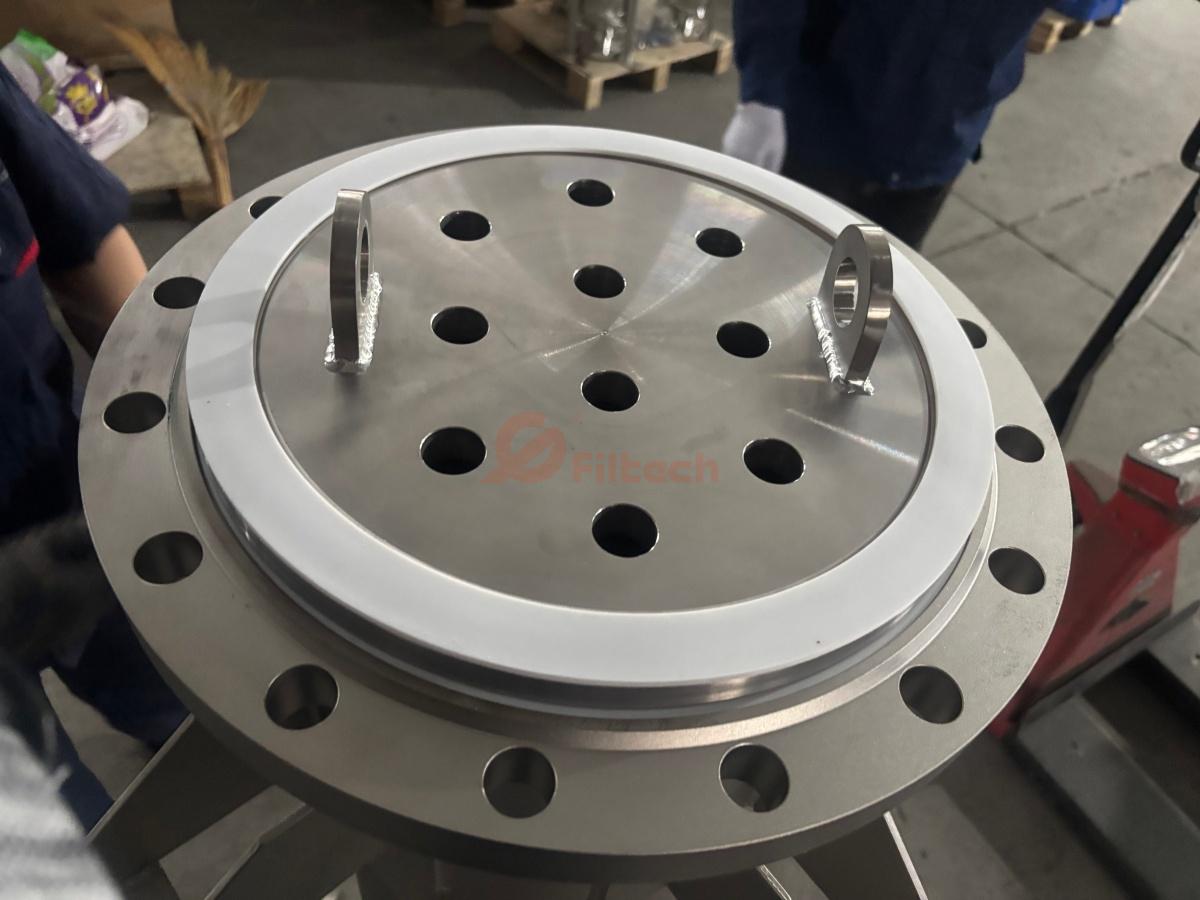
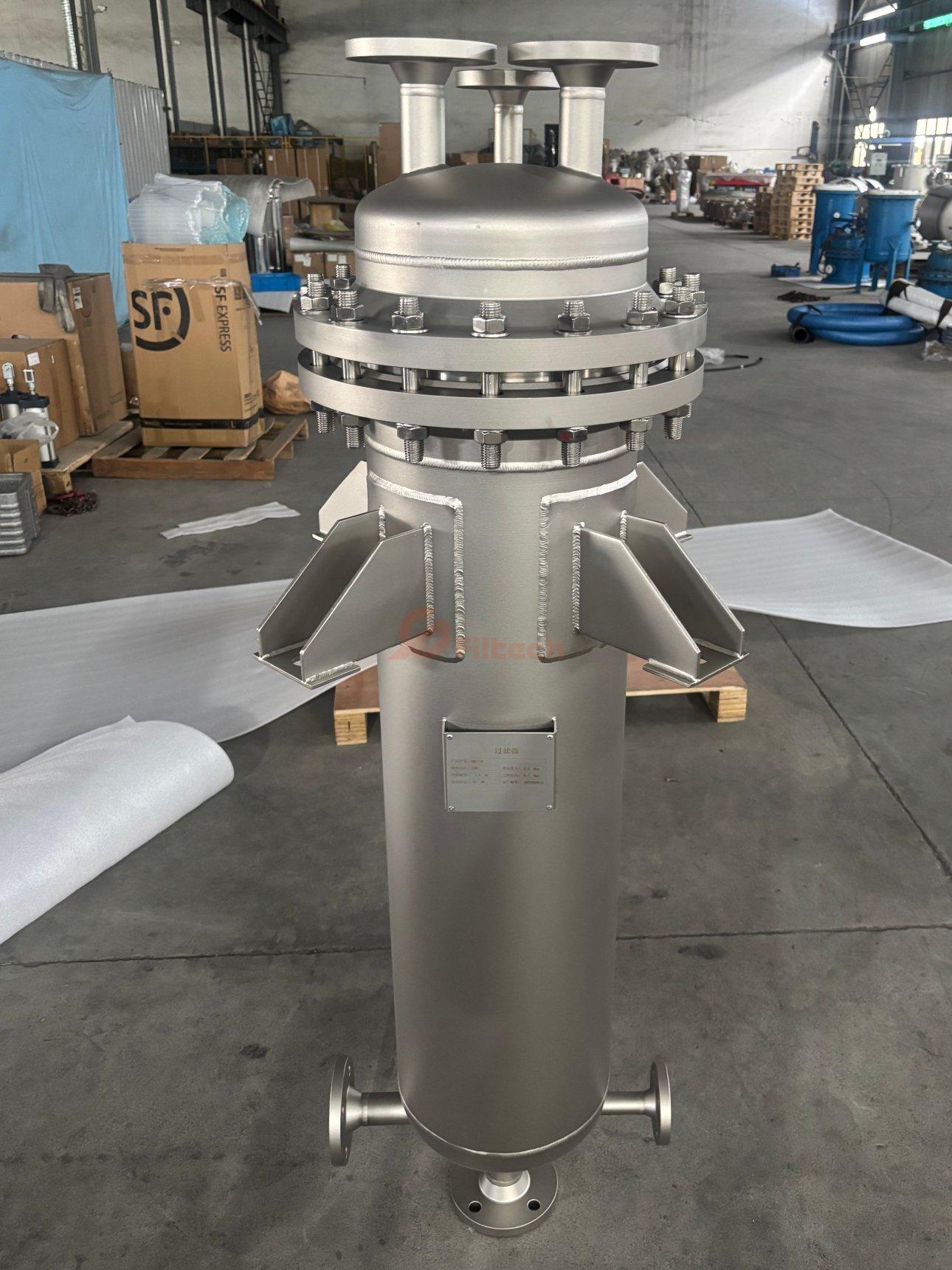
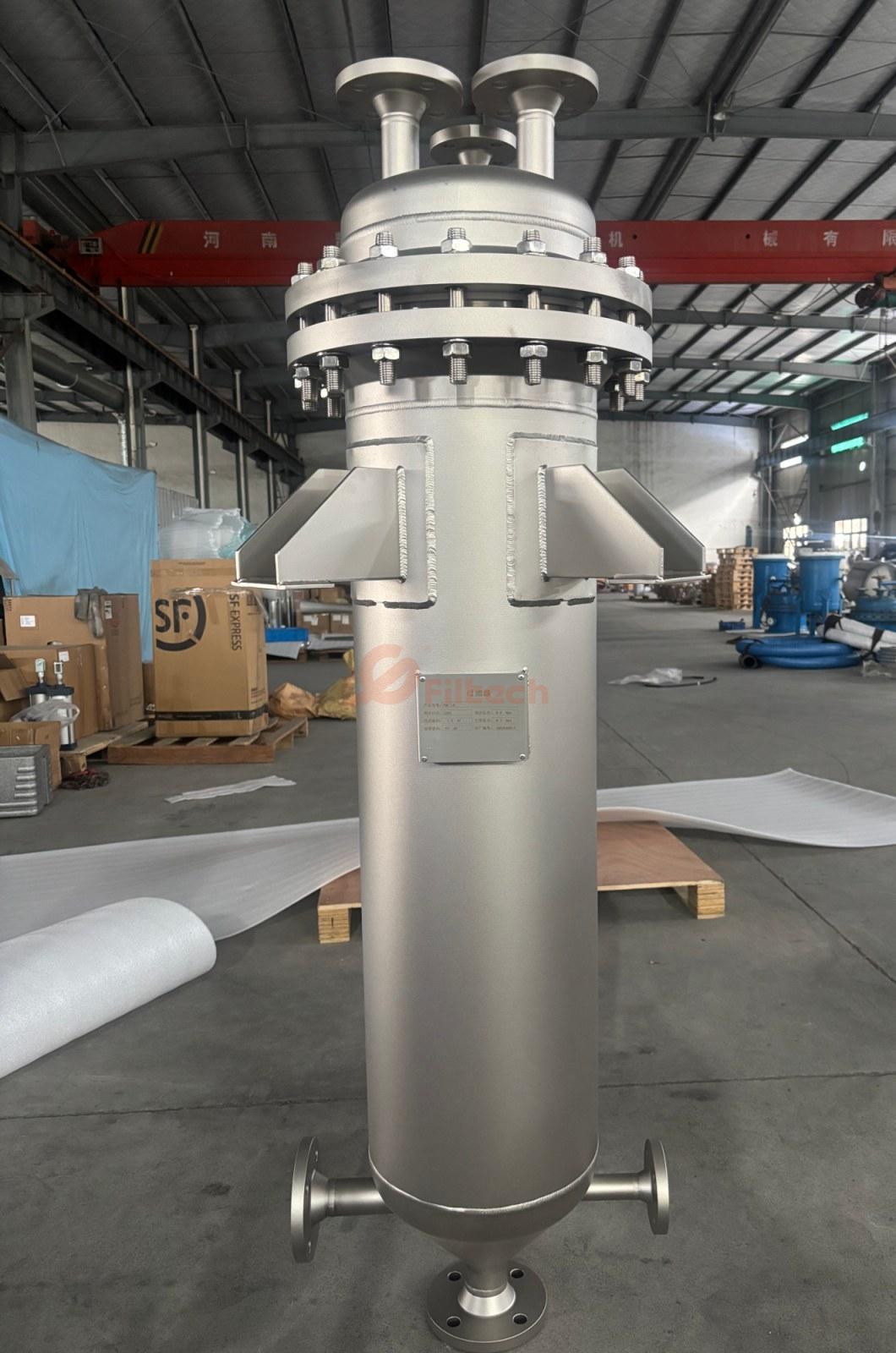
To develop a high-performance filter that meets customer demands, engineers at Grand Filtech analyzed working conditions including the particle size distribution and sedimentation characteristics of crushed Raney nickel catalysts, and developed an asymmetric membrane-coated filter cartridge. This cartridge has a dense surface with uniform pores, while its inner support layer boasts large pores and low flow resistance. During operation, it effectively prevents fine crushed Raney nickel particles from penetrating deep into the cartridge interior while maintaining a high filtration flux. Validated across hundreds of projects, the cartridge is proven suitable for all Raney nickel filtration working conditions. It can operate continuously for more than 3 years even when treating hydrogenation mother liquor that has undergone 2 to 3 sedimentation cycles.
At present, Grand Filtech's asymmetric filter cartridges have been widely adopted in industries including special amines and rubber additives.
Post time:2026-06-22