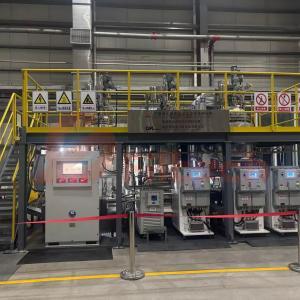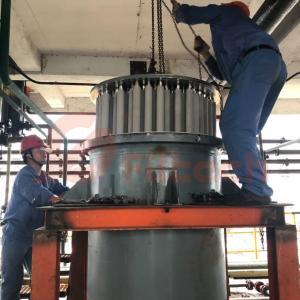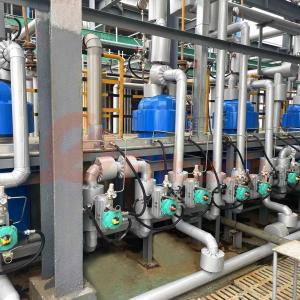
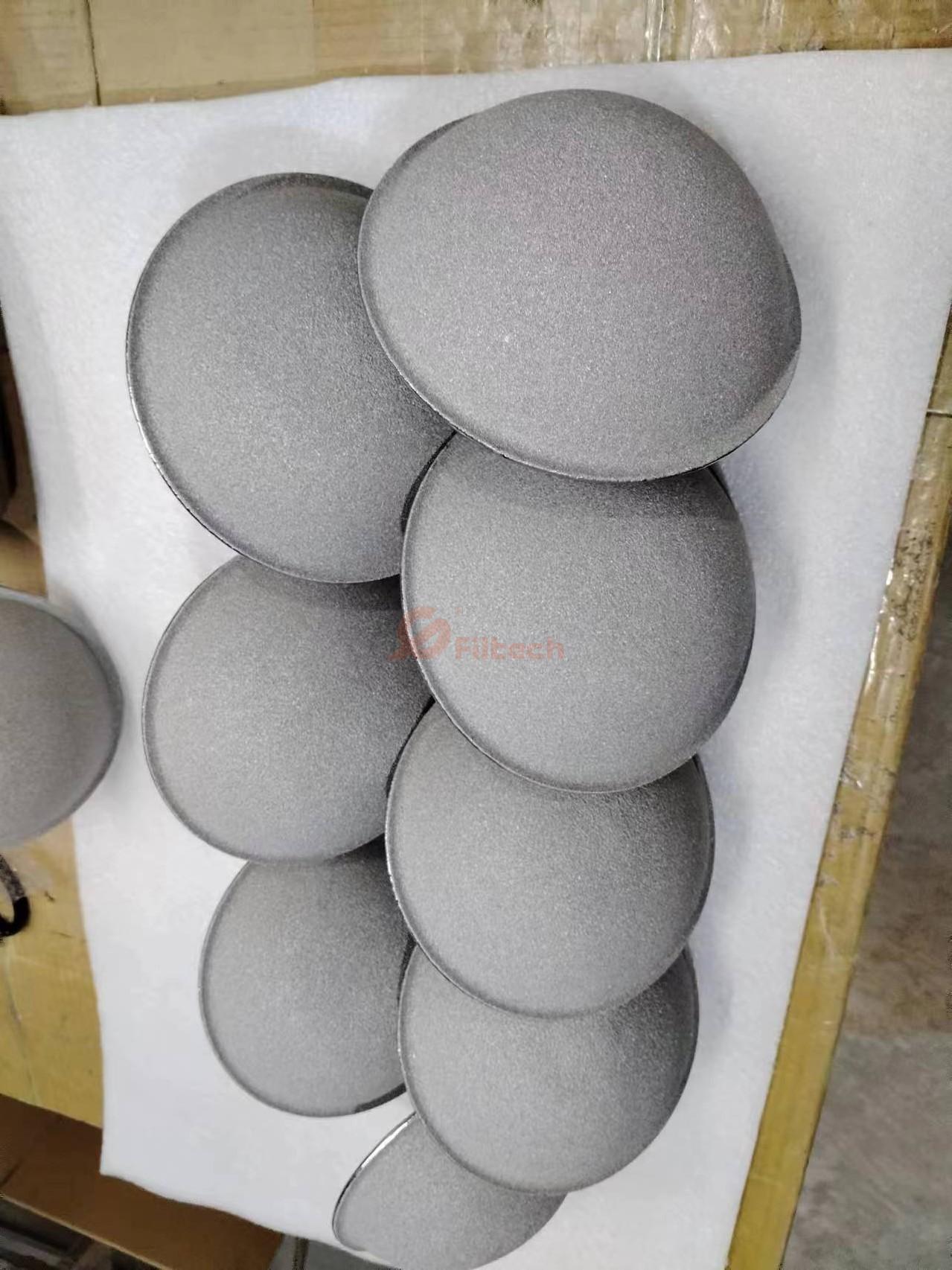
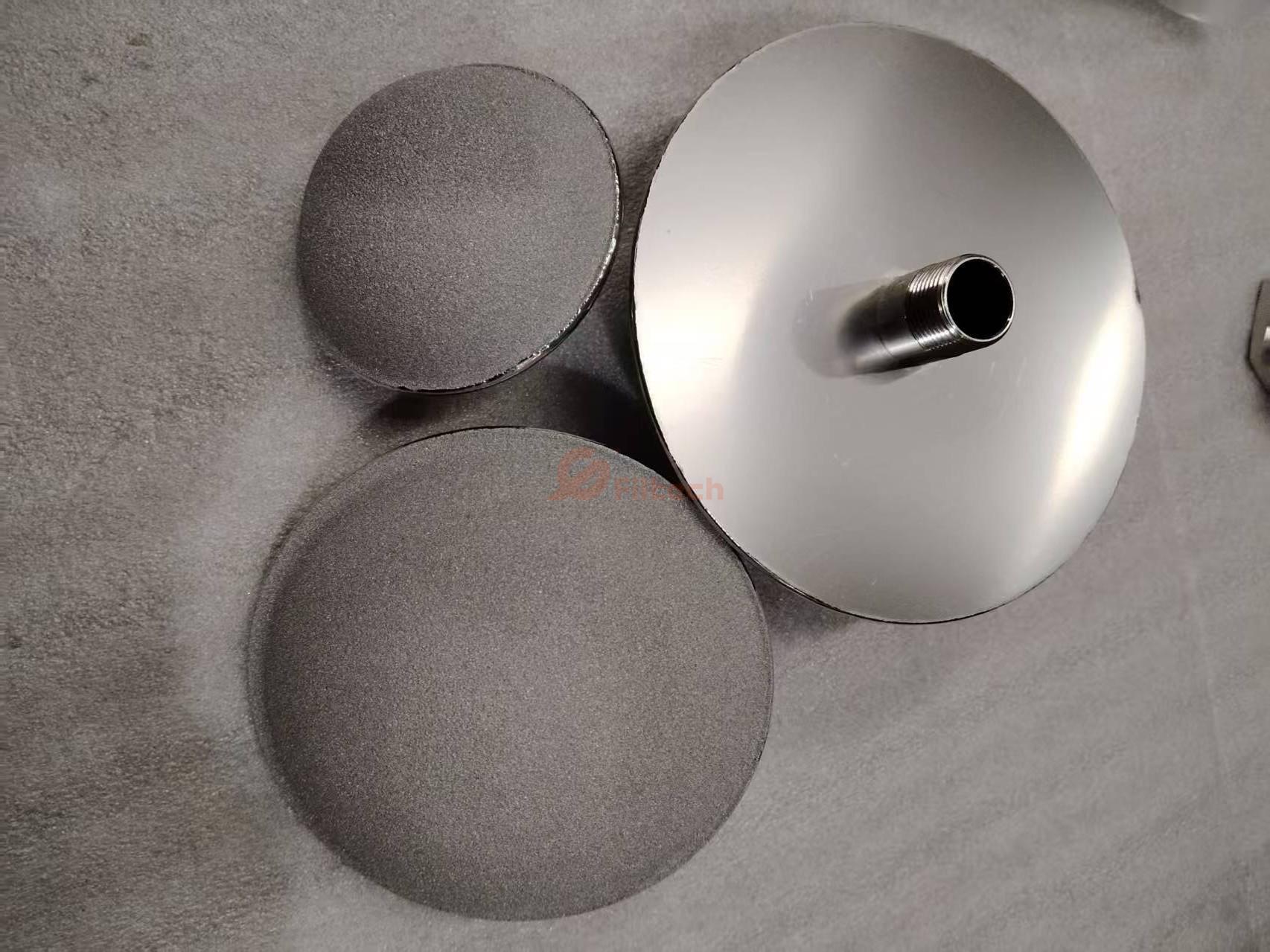
Micro, slowly moving bubbles are the best method for achieving efficient gas-liquid contact in aeration tanks, fermentation tanks, bioreactors, and beverage production. By injecting different gases, achieve gas-liquid contacting.
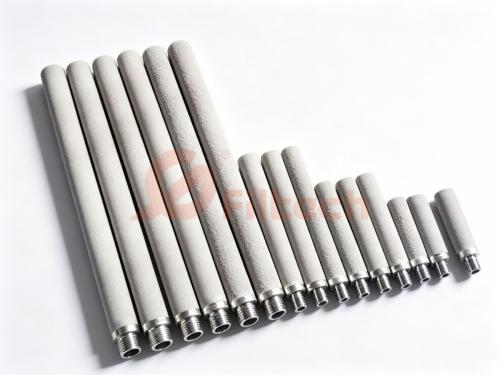
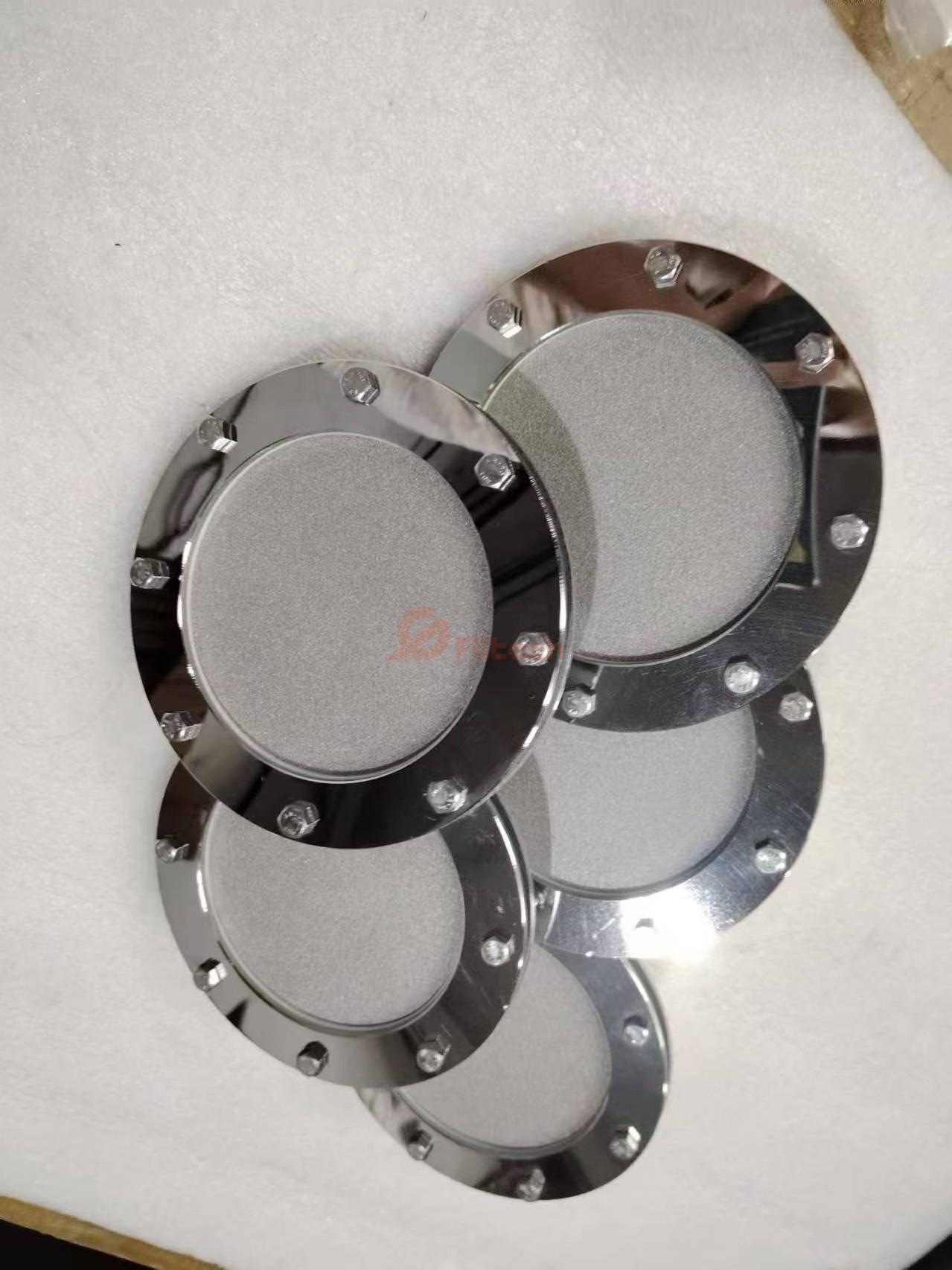
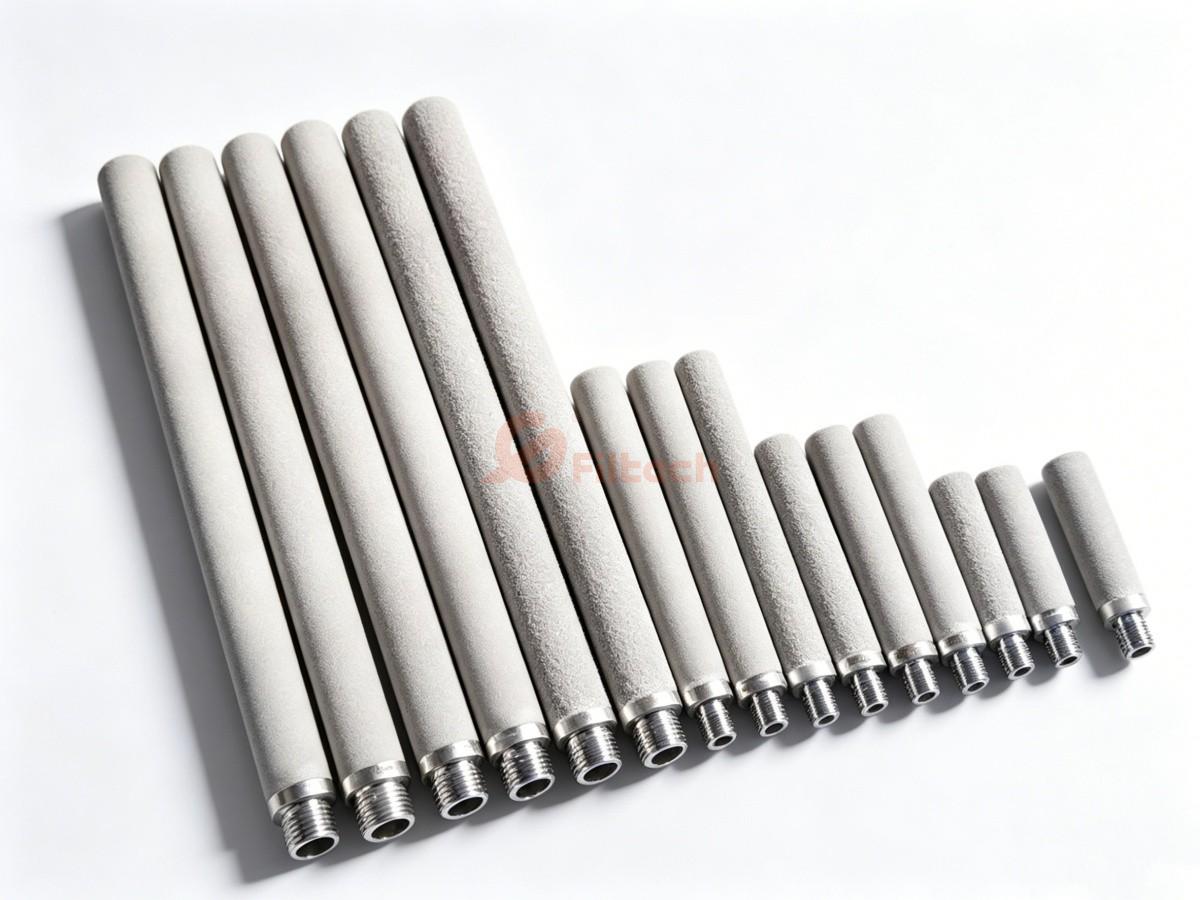
Spargers are also commonly referred to as aerators, carbonizers, and aerators, which inject gas into liquids. When the pressurized gas pushes the liquid through the aperture of the porous sparger, small bubbles with a diameter of 0.5-10 micrometers are generated, allowing the gas to be efficiently transferred into the liquid. Compared to nozzle and perforated spargers, the sintered sparger has smaller pores and produces bubbles uniformly. By designing the distribution area, the surface air velocity is controlled within a certain range to prevent the formation of large bubbles in the short term.
The high efficiency of spargers is influenced by many factors, such as bubble size, gas-liquid contact time, liquid temperature, gas pressure, installation position, and gas flow rate related to liquid flow rate. Therefore, it is necessary to provide some necessary information to complete the sparger design.
Specification parameters:
1. Size: OD 10-200mm, with normal design OD ranging from 15-60mm;
2. Aperture: 0.1-80μm;
3. Material: SS304L, SS316L, Monel®-400, Inconel®-600, Hastelloy® series;
4. Connectors: NPT, clamps, sanitary grade connectors
Application areas:
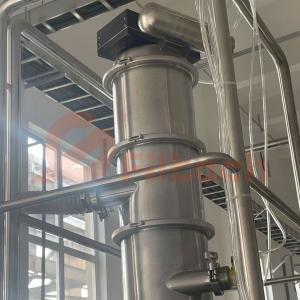
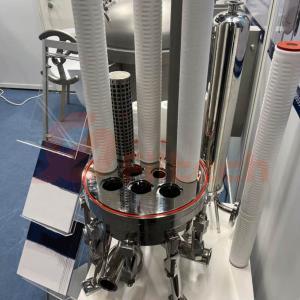
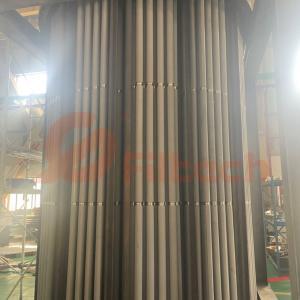
Red wine fermentation; Carbonization of beverages; Wastewater treatment; Hydrogen gas distribution; Bacterial cultivation.